Table of Content
Documents Required for Novel Food Approval in India (Checklist 2026)
A complete guide to novel food approval documents India, covering FSSAI requirements, safety data, toxicological evidence, and documentation checklist for non-specified food approval in 2026.
Understanding the documentation required for novel food approval in India is essential for businesses introducing new or non-traditional food products, as FSSAI mandates strict evaluation before granting approval.
Overview of FSSAI Novel Food Checklist
The FSSAI novel food checklist applies to foods not traditionally consumed in India.
These are categorized as “non-specified foods” under FSSAI regulations.
Approval is required before manufacturing, importing, or selling such products.
The process ensures safety, nutritional adequacy, and compliance with Indian food laws.
Novel Food Approval Documents India – Complete Checklist
Applicants must submit a comprehensive set of documents for approval.
| Document Name | Purpose |
| Application Form | Submission through FSSAI portal |
| Product Description | Details of composition and usage |
| Ingredient Specifications | Source and quality details |
| Manufacturing Process | Step-by-step production method |
| Safety Data | Proof of product safety |
| Toxicological Data | Risk assessment studies |
| Clinical Evidence | Human study results (if applicable) |
| Label and Claims | Packaging and marketing details |
Table1: Key Documents for Novel Food Approval
Non-Specified Food Documentation Requirements
The non-specified food documentation must clearly define the product’s uniqueness.
Applicants must provide:
- Detailed product identity and classification
- Source of ingredients (plant, animal, synthetic)
- Intended use and consumption level
- Proper documentation helps FSSAI assess whether the product qualifies as a novel food.
Certificate of Analysis and Safety Data
The safety data requirements of FSSAI are critical for approval.
Applicants must submit:
- Microbiological safety reports
- Heavy metal and contaminant analysis
- Stability and shelf-life studies
- All reports must be from accredited laboratories.
- These data ensure that the product is safe for human consumption.
Toxicological and Risk Assessment Data
The toxicological data novel food section evaluates potential health risks.
Required studies may include:
- Acute toxicity studies
- Sub-chronic or chronic toxicity studies
- Genotoxicity and carcinogenicity assessments
- Risk assessment reviews from published studies
- These studies help determine safe consumption limits.
- Incomplete toxicological data can delay approval.
Clinical Evidence Food Approval
The clinical evidence of food approval requirement applies to products with health claims.
Applicants must provide:
- Human clinical trial data
- Scientific research supporting claims
- Evidence of nutritional benefits
- Clinical validation strengthens the approval process.
- It is especially important for functional or fortified foods.
Labeling and Claims Documentation
FSSAI requires clear labeling for novel foods.
Applicants must submit:
- Proposed label design
- Nutritional information
- Claims with scientific justification
- Labels must not mislead consumers.
- All claims must be backed by evidence.

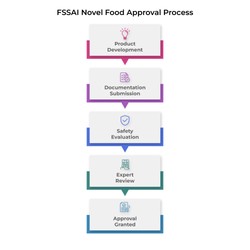
Figure1: FSSAI Novel Food Approval Process
Common Challenges in Novel Food Approval
Applicants often face delays due to:
- Incomplete documentation
- Lack of scientific evidence
- Incorrect classification of food
- Insufficient safety data
- Addressing these issues early improves approval chances.
Conclusion
Complying with novel food approval documents India requirements is essential for gaining FSSAI approval and ensuring product safety.
By following the FSSAI novel food checklist, preparing documentation for non-specified foods, and submitting a complete set of safety data along with toxicological studies and supporting clinical evidence, businesses can successfully navigate the approval process.
Summary (Key Points)
- Novel foods require FSSAI approval before market entry
- FSSAI novel food checklist includes safety and technical documents
- Non-specified food documentation defines product identity
- Safety data requirements FSSAI ensure product safety
- Toxicological data novel food assesses health risks
- Clinical evidence food approval supports health claims
- Proper labeling and claims documentation are mandatory
- Incomplete submissions can delay or reject approval
Enquire Now
To enquire about our services please complete the form below and we will be in tough with you as soon as possible

Food Regulatory Services
- Consumer Product
- Compliance Services
- Licenses